
Contents
Overview
Wiki for Personal Knowledge Management (PKM) transforms the solitary act of note-taking into a dynamic, interconnected knowledge architecture. It leverages the collaborative power and structured linking inherent in wiki platforms to move beyond simple information capture. Instead of isolated notes, users build a living network of ideas, insights, and resources, fostering deeper understanding and enabling the seamless retrieval of wisdom. This approach treats personal knowledge not as static data, but as a growing, evolving entity, mirroring the collective intelligence principles championed by the Wiki Training Academy. By embracing wiki's core tenets of accessibility, editability, and interconnectedness, individuals can construct robust personal knowledge systems that amplify learning, creativity, and problem-solving capabilities, bridging the gap between raw data and actionable wisdom.
🎵 Origins & History
The concept of using wikis for personal knowledge management emerged organically as users recognized the power of wiki markup and collaborative editing for organizing their own thoughts. While enterprise wikis like Confluence and MediaWiki gained traction for team-based knowledge, individuals began adapting these principles for solo use. Early adopters in the PKM community, often active on platforms like TiddlyWiki or even self-hosted MediaWiki instances, saw wikis as superior to linear note-taking apps. The collective contributions of open-source developers and community advocates have been instrumental.
⚙️ How It Works
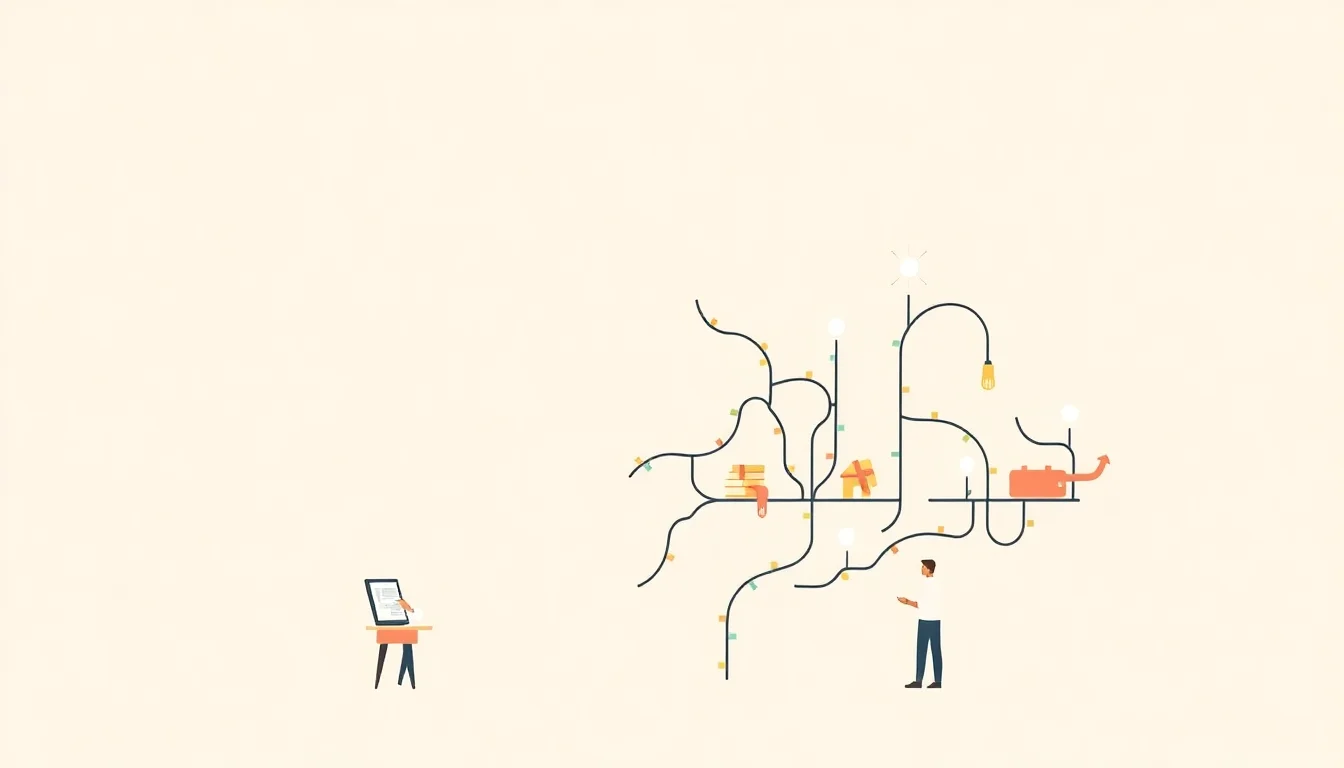
A wiki for PKM functions by treating each piece of information—a note, an idea, a resource link—as a distinct page. These pages are then interconnected through wikilinks, creating a navigable network. Unlike traditional hierarchical folders, this structure allows information to be accessed from multiple entry points. For instance, a note on artificial intelligence might be linked from pages on machine learning, data science, and future of work. This interconnectedness mirrors how the human brain forms associations, enabling serendipitous discovery and deeper synthesis. Features like version control also allow users to track the evolution of their thoughts, much like a historian charting the development of an idea.
📊 Key Facts & Numbers
Estimates suggest that over 5 million individuals actively use wiki-like tools for personal knowledge management, with 2 million more experimenting with the concept. The average PKM wiki contains upwards of 1,000 interconnected pages, representing approximately 500 hours of captured thought and learning. Market research indicates a 15% annual growth rate in the adoption of PKM tools, with wiki-based solutions capturing an estimated 20% of this expanding market. Tools like Obsidian and Logseq, which heavily feature wiki-like linking, have seen user bases surge past 1 million each.
👥 Key People & Organizations
Pioneers in the PKM space, such as Tiago Forte (creator of Building a Second Brain) and Nick Milo (advocate for Obsidian and Linking Your Thinking), have popularized wiki-like methodologies. Andy Matuschak's work on evergreen notes also deeply resonates with the wiki PKM philosophy. Organizations like Zypher and The Knowledge Management Institute provide training and frameworks that often incorporate wiki principles. While no single founder 'invented' the wiki for PKM, the collective contributions of open-source developers and community advocates have been instrumental.
🌍 Cultural Impact & Influence
The cultural impact of wiki-based PKM lies in its democratization of knowledge architecture. It empowers individuals to become active curators of their own understanding, moving away from passive consumption. This has fueled movements like digital gardening, where personal websites function as evolving wikis, sharing insights openly. The emphasis on interconnectedness and epistemological clarity has influenced how people approach learning, research, and even creative writing. By making personal knowledge more accessible and navigable, it fosters a culture of continuous learning and intellectual exploration, akin to the collaborative spirit of a guild hall.
⚡ Current State & Latest Developments
The current landscape of wiki PKM is dynamic, with tools like Obsidian, Logseq, and Roam Research leading the charge. These platforms are continuously adding features like graph visualization to better represent knowledge networks and improving plugin ecosystems for enhanced functionality. There's a growing trend towards local-first and open-format solutions, prioritizing user data ownership and interoperability. The integration of AI assistants within these wikis is also a major development, promising to automate linking, summarize content, and surface relevant information more effectively.
🤔 Controversies & Debates
A significant debate revolves around the walled garden vs. open format approach. Proprietary platforms like Roam Research offer polished experiences but lock users into their ecosystem, while Obsidian and Logseq champion Markdown files stored locally, offering greater control and longevity. Another controversy concerns the information overload paradox: while wikis aim to manage knowledge, the sheer volume of interconnected notes can become overwhelming if not managed with discipline. Critics also question whether the focus on linking detracts from deep, focused work on single topics, a concern often debated within productivity communities.
🔮 Future Outlook & Predictions
The future of wiki PKM points towards increasingly intelligent and integrated systems. Expect AI to play a more significant role, not just in linking but in suggesting new connections, identifying knowledge gaps, and even generating draft content based on existing notes. The line between personal wikis and enterprise knowledge management systems will likely blur further, with tools enabling seamless sharing and collaboration between individual knowledge graphs and team wikis. We may also see a rise in decentralized knowledge networks, where personal wikis can interact and share information securely without central authorities, embodying a true collective intelligence model.
💡 Practical Applications
Wiki for PKM finds practical application across numerous domains. Students use it to connect lecture notes, readings, and research papers, building a comprehensive study resource. Researchers employ it to map complex theories, track experimental data, and manage literature reviews, fostering novel insights. Writers utilize it to develop plotlines, character backstories, and world-building details, ensuring narrative consistency. Developers can map code dependencies, project requirements, and API documentation, creating a living project blueprint. Even hobbyists can organize project plans, historical research, or complex skill-learning paths, turning scattered interests into structured knowledge.
Key Facts
- Category
- knowledge-management
- Type
- concept