
Contents
- 🎵 Origins & Evolution in the Corporate Sphere
- ⚙️ The Mechanics of Organizational Wikis
- 📊 Quantifying Wiki Impact in Business
- 👥 Key Architects of Corporate Knowledge
- 🌍 Global Adoption and Cultural Shifts
- ⚡ Modern Wiki Platforms and Trends
- 🤔 Debates: Wiki vs. Other Knowledge Tools
- 🔮 The Future of Enterprise Wikis
- 💡 Building Your Organization's Knowledge Guild Hall
- 📚 Further Craftsmanship in Wiki Mastery
- References
Overview
A wiki for business and organizations transcends mere document storage; it's a dynamic, collaborative engine for building and evolving collective intelligence. Unlike static intranets or siloed document repositories, wikis empower teams to co-create, refine, and access knowledge in real-time. They serve as the central nervous system for organizational learning, bridging the gap between raw data and actionable wisdom. From onboarding new hires with comprehensive guides to documenting complex project histories, wikis foster transparency and accelerate problem-solving. Their inherent structure, or rather, the emergent structure guided by users, makes them uniquely adaptable to an organization's evolving needs. Mastering the craft of wiki architecture is paramount to unlocking its full potential as the most powerful tool for shared understanding and sustained innovation.
🎵 Origins & Evolution in the Corporate Sphere
The concept of a collaborative, editable web page, born from WikiWikiWeb, quickly resonated beyond hobbyist circles. Early adopters in business recognized the potential for internal knowledge sharing, moving beyond static intranets and email chains. Companies experimented with wikis for project management and documentation, demonstrating their utility in complex engineering environments. The advent of more robust wiki software platforms, such as Atlassian Confluence and Microsoft SharePoint (which incorporates wiki-like features), further propelled their adoption. This evolution marked a shift from viewing wikis as mere digital bulletin boards to recognizing them as foundational tools for building an organization's collective memory and operational agility.
⚙️ The Mechanics of Organizational Wikis
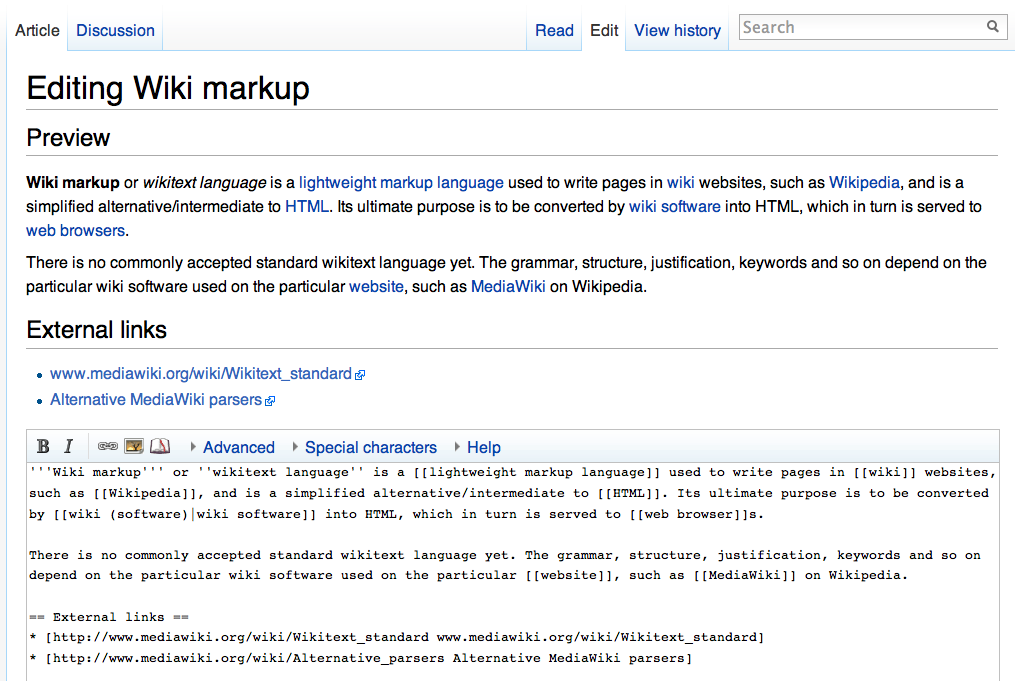
At its core, an organizational wiki functions through collaborative content creation and editing. Users, often organized into teams or departments, contribute to pages using a simplified markup language or rich-text editors. Unlike traditional content management systems with strict hierarchies, wikis allow knowledge structures to emerge organically based on user needs. Features like version history, discussion threads attached to pages, and granular access controls ensure that knowledge remains traceable, accountable, and secure. This dynamic interplay allows for the rapid iteration of documentation, policies, and best practices, transforming static information into living knowledge assets.
📊 Quantifying Wiki Impact in Business
The quantifiable impact of wikis in business is substantial, though often measured indirectly. Organizations leveraging wikis report significant reductions in time spent searching for information. For instance, wikis can decrease onboarding time for new hires by providing immediate access to essential company policies, team structures, and project overviews. Furthermore, wikis contribute to cross-departmental collaboration by breaking down information silos. The cost savings associated with reduced redundant work and faster problem resolution can amount to millions annually for larger enterprises, underscoring the economic imperative of mastering this collective intelligence tool.
👥 Key Architects of Corporate Knowledge
While the technology enables collaboration, it's the knowledge architects within an organization who truly shape its wiki's success. Figures like Ward Cunningham, the inventor of the wiki concept, laid the groundwork for this collaborative paradigm. Within enterprises, dedicated knowledge managers and information architects often champion wiki adoption, designing intuitive navigation, establishing content standards, and fostering a culture of contribution. Leaders who champion transparency and shared ownership are instrumental in cultivating a thriving knowledge ecosystem. These individuals act as guild masters, guiding their teams in the craft of building enduring knowledge structures.
🌍 Global Adoption and Cultural Shifts
The adoption of wikis in business is a global phenomenon, transcending geographical and cultural boundaries. While early adoption was prominent in tech-forward sectors in North America and Europe, organizations across Asia, South America, and Africa now leverage wikis for everything from internal policy management to customer support knowledge bases. The cultural impact lies in fostering a more transparent and accessible work environment. By democratizing knowledge creation, wikis can shift organizational culture from one of guarded information to one of shared expertise. This global embrace highlights the universal need for efficient, collaborative knowledge management systems in the modern workplace.
⚡ Modern Wiki Platforms and Trends
The landscape of enterprise wiki platforms is continually evolving. Beyond foundational tools like Atlassian Confluence and Microsoft SharePoint, newer platforms emphasize AI-driven insights, enhanced search capabilities, and seamless integration with other business applications. Companies are increasingly looking for wikis that not only store information but actively help users discover and synthesize it. The trend is towards wikis that act as intelligent knowledge hubs, proactively surfacing relevant content and connections, thereby enhancing the 'actionable wisdom' aspect of collective intelligence. Platforms like Notion and Coda blur the lines between wikis, project management tools, and databases, reflecting this broader integration trend.
🤔 Debates: Wiki vs. Other Knowledge Tools
A persistent debate revolves around the wiki's place in a crowded MarTech and collaboration tool landscape. Critics argue that dedicated project management software or specialized document management systems offer more robust features for specific workflows. However, proponents counter that wikis excel in their flexibility and ability to capture emergent knowledge that doesn't fit neatly into predefined structures. The key distinction often lies in purpose: wikis are built for the evolution of knowledge and collective understanding, whereas many other tools are designed for the management of discrete tasks or documents. The true power emerges when wikis are integrated, not replaced, acting as the connective tissue for an organization's knowledge graph.
🔮 The Future of Enterprise Wikis
The future of wikis in business points towards deeper integration and enhanced intelligence. Expect wikis to become even more proactive, leveraging AI to suggest content, identify knowledge gaps, and even automate the creation of documentation based on team activities. The concept of the 'knowledge graph' will become more prominent, with wikis serving as the primary interface for navigating and contributing to these interconnected knowledge networks. Furthermore, as remote and hybrid work models solidify, the wiki's role as a central, accessible repository for organizational memory will only grow in importance, solidifying its position as the 'Guild Hall of Knowledge Architects'.
💡 Building Your Organization's Knowledge Guild Hall
Building an effective organizational wiki is an act of craftsmanship. It begins with defining clear objectives: what knowledge needs to be captured and shared? Next, establish a foundational structure, perhaps mirroring key departments or project areas, using clear page naming conventions. Encourage contributions by making editing intuitive and providing templates for common content types, such as standard operating procedures or meeting minutes. Implement a feedback loop through discussion pages to refine content. Crucially, foster a culture where contributing to the wiki is valued and recognized, transforming it from a passive repository into an active, living knowledge base that reflects the collective intelligence of your organization.
📚 Further Craftsmanship in Wiki Mastery
To truly master the craft of wiki-based knowledge management, explore the principles of information architecture to design intuitive navigation. Study collaborative writing techniques to ensure clarity and consistency across contributions. Understand the nuances of version control as applied to wiki content to manage changes effectively. Delve into knowledge retention strategies to ensure valuable insights are preserved. The journey of a knowledge architect is one of continuous learning, building upon foundational wiki skills to create truly enduring and accessible knowledge structures for your organization.
Key Facts
- Category
- knowledge-management
- Type
- concept