Ramsar Convention: A Global Framework for Wetland Conservation
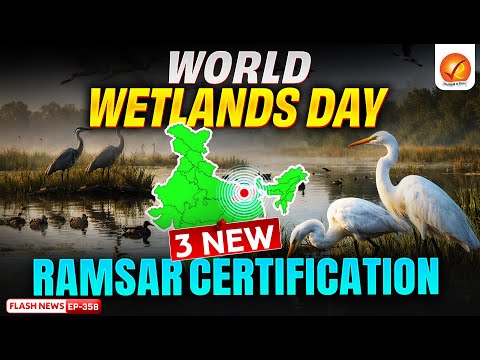
The Ramsar Convention, signed on February 2, 1971, in Ramsar, Iran, provides an international framework for the conservation and management of wetlands. With 17
Overview
The Ramsar Convention, signed on February 2, 1971, in Ramsar, Iran, provides an international framework for the conservation and management of wetlands. With 172 contracting parties, it is one of the oldest and largest intergovernmental environmental agreements. The convention aims to promote the conservation and sustainable use of wetlands, recognizing their importance for biodiversity, water supply, and human well-being. The Ramsar List, established under the convention, currently includes over 2,400 wetland sites of international importance, covering an area of over 255 million hectares. Despite its success, the convention faces challenges, including the ongoing loss and degradation of wetlands due to human activities such as land conversion, pollution, and climate change. As the world's population continues to grow, the importance of wetlands for ecosystem services, including water filtration, flood control, and carbon sequestration, will only increase, making the Ramsar Convention a crucial instrument for their conservation and management.