
Contents
Overview
Creating and editing wiki pages forms the bedrock of collaborative knowledge building, enabling users to contribute, refine, and organize information seamlessly. This process typically involves utilizing a lightweight markup language or a WYSIWYG editor to format text, embed media, and link to other wiki content. The collaborative nature means multiple users can work on the same page, often with version history tracking to revert changes or understand contributions. Effective page creation hinges on adherence to wiki syntax, clear content structure, and an understanding of the platform's specific features for managing information. Mastering these skills is crucial for anyone looking to contribute to or manage a wiki-based knowledge base, ensuring accuracy, accessibility, and a dynamic, evolving information resource.
🎵 Origins & History
The genesis of creating and editing wiki pages is intrinsically tied to the birth of the wiki concept itself. Early wikis relied heavily on simple markup languages, which allowed for quick formatting of text, creation of links, and basic structure. This foundational approach democratized content creation, moving away from the rigid hierarchies of traditional publishing and paving the way for platforms like Wikipedia. The evolution from simple text-based editing to more sophisticated visual editors reflects the ongoing effort to make wiki contribution more intuitive and accessible to a broader audience.
⚙️ How It Works
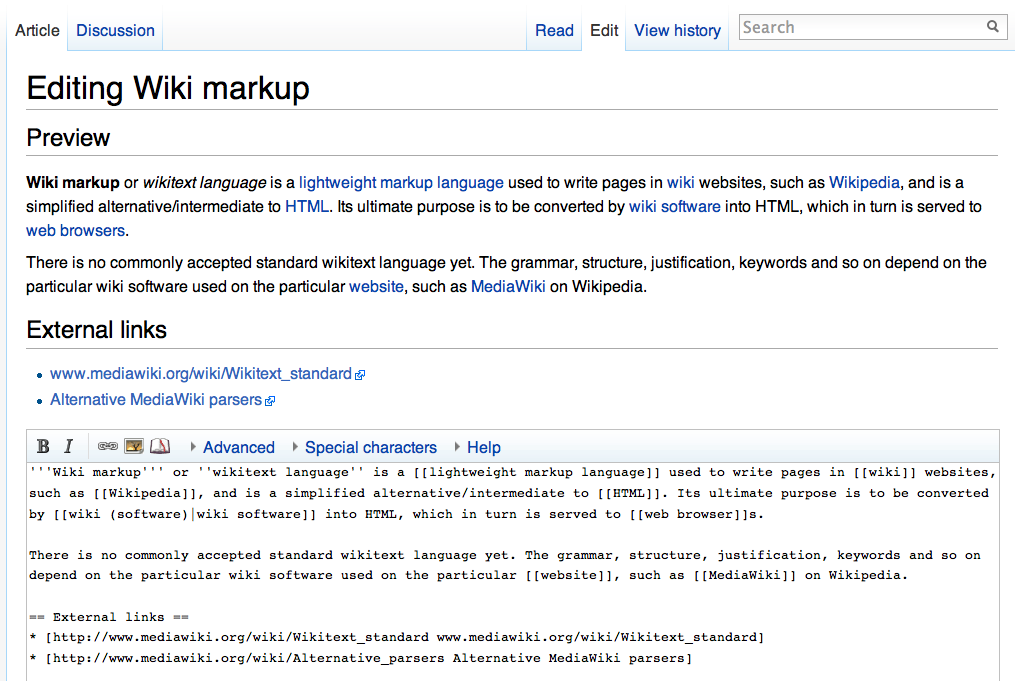
At its core, creating and editing wiki pages involves interacting with a web-based interface that translates user input into structured content. Most wiki engines support a specific markup language, often referred to as wiki syntax, which uses special characters and conventions to denote formatting like headings, bold text, italics, lists, and internal links. For instance, double square brackets ` typically create links to other pages within the wiki, while asterisks * or hash symbols #` often denote list items. Many modern wiki platforms also offer a WYSIWYG (What You See Is What You Get) editor, which provides a visual interface that more closely resembles a word processor, abstracting away the underlying markup. Regardless of the method, changes are usually saved and stored with a version history, allowing for tracking of edits, reverting to previous states, and understanding the contributions of different users, a feature critical for collaborative environments like Confluence or MediaWiki.
📊 Key Facts & Numbers
The scale of wiki page creation and editing is staggering, with billions of pages existing across the internet. The adoption of wiki technology in enterprise settings has seen significant growth, with companies like Atlassian reporting millions of active users on their Confluence platform, highlighting its importance in internal knowledge management and team collaboration.
👥 Key People & Organizations
While the concept of wiki editing is inherently decentralized, certain individuals and organizations have been pivotal in its development and popularization. Ward Cunningham laid the foundational principles of collaborative editing. Jimmy Wales and Larry Sanger scaled the wiki model to an unprecedented global level, demonstrating its power for encyclopedic knowledge compilation. MediaWiki, the open-source software powering Wikipedia and many other wikis, developed by the Wikimedia Foundation, has been instrumental in providing a robust and flexible platform for wiki creation. Corporate entities like Atlassian with their Confluence product have adapted wiki principles for business use, making collaborative editing a staple in modern workplaces.
🌍 Cultural Impact & Influence
The ability to create and edit pages collaboratively has profoundly reshaped how information is produced, shared, and consumed online. It has fostered a culture of open contribution, empowering individuals to become knowledge creators rather than just passive consumers. This has led to the democratization of expertise, challenging traditional gatekeepers of information. The principles of wiki editing have influenced other collaborative platforms, from GitHub for code management to shared document editing in Google Docs, embedding the concept of real-time, multi-user content creation into the digital fabric.
⚡ Current State & Latest Developments
In 2024, the landscape of wiki page creation and editing continues to evolve, driven by advancements in AI and user experience design. Many platforms are integrating AI-powered tools to assist with content generation, grammar checking, and even suggesting edits, aiming to lower the barrier to entry further. The rise of specialized wikis, focusing on niche topics from gaming lore to scientific research, indicates a growing fragmentation and specialization of wiki knowledge. Furthermore, there's an ongoing push towards more intuitive visual editors and mobile-first editing experiences, recognizing that a significant portion of content creation now happens on the go. The integration of wikis with other collaboration tools, such as project management software and communication platforms, is also a key trend, positioning wikis as central hubs for team knowledge.
🤔 Controversies & Debates
One of the most persistent debates surrounding wiki page creation and editing revolves around content accuracy and vandalism. While the open nature allows for rapid correction and improvement, it also makes wikis susceptible to misinformation, bias, and deliberate sabotage. The challenge of maintaining neutrality and verifiability, particularly on contentious topics, is a constant struggle for large wikis like Wikipedia. The 'edit war,' where multiple users repeatedly revert each other's changes, leading to page instability and disputes over content ownership. The balance between open contribution and necessary moderation, including the role of administrators and automated tools, remains a critical discussion point within wiki communities.
🔮 Future Outlook & Predictions
The future of wiki page creation and editing appears to be one of increasing intelligence and integration. We can anticipate more sophisticated AI assistants that not only suggest edits but also help structure complex articles, summarize information, and even identify potential knowledge gaps. The line between traditional wikis and other collaborative platforms will likely blur further, with wiki-like editing functionalities becoming embedded in a wider array of applications. There's also potential for enhanced personalization, where wikis adapt content presentation and editing interfaces based on individual user expertise and preferences. The ongoing challenge will be to harness these technological advancements while preserving the core ethos of collaborative, community-driven knowledge building that defines the wiki.
💡 Practical Applications
Creating and editing wiki pages finds practical application across a vast spectrum of domains. In corporate environments, platforms like Confluence are used for internal documentation, project management, and onboarding new employees, serving as a central knowledge repository. Educational institutions utilize wikis for student projects, collaborative research, and course materials. Open-source software projects often employ wikis for documentation, bug tracking, and community forums, fostering developer collaboration. Even personal projects, such as family history archives or hobbyist guides, benefit from the structured, collaborative nature of wiki editing. The flexibility of wiki software allows it to be adapted for nearly any scenario requiring shared, evolving information.
Key Facts
- Category
- wiki-editing
- Type
- topic